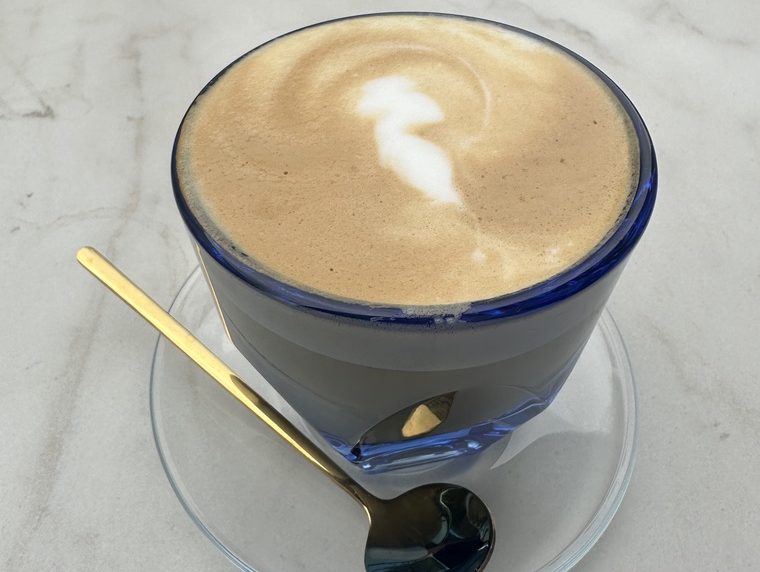
One day not so distant in the past, I found myself sitting in a café, finishing the last pages of Mitch Albom’s The Little Liar with a classic macchiato in hand. It struck me that what was in my cup and what was on the page were strangely in sync: a blend of sharpness and softness, bitterness and sweetness, truth and deception. The drink and the novel felt like they were having a quiet conversation with one another, and with me.
At first sip, the boldness of the espresso hits you, much like the opening chapters of The Little Liar. Albom quickly pulls you into a world where truth and lies blur, making you question the reliability of what you’re being told and the motives behind it. It’s his meditation on how even small lies can ripple outward, touching lives and histories in ways the liar never imagined. That strong, concentrated shot of espresso mirrors the narrative’s intensity, the moral weight of choices, and the uneasy feeling that something important is at stake in every decision.
Then comes the frothed milk, softening the drink with a quiet sweetness that wraps itself around the espresso’s bitterness. As you move deeper into The Little Liar, this contrast becomes more apparent: the book is not only about deceit, but also about guilt, forgiveness, love, and the fragile, complicated bonds between people. Albom gives us tender moments and glimmers of grace that temper the darker themes, just as the milk tempers the shot, never erasing the bitterness, but making it bearable and, in a way, beautiful.
Reading this particular novel with a macchiato became an unexpectedly reflective experience for me. Between sips, I found myself lingering over its questions: Why do we lie? Is it always malice, or sometimes fear, or misguided love? How far can a single untruth carry us from the people we mean to be? The lingering flavor of the drink, both sharp and smooth, stayed with me the way Albom’s story does, hanging around in memory, asking to be reconsidered even after you’ve closed the cover and gone on with your day.
One line from the novel captures this uneasy power of deception: “Sometimes a lie is merely truth that is yet to happen.” It’s a haunting thought, one that blurs the boundary between falsehood and possibility and invites us to ask whether we bend our stories toward truth or away from it. As I sat with that idea, my coffee cooling slightly on the table, I wondered how often we tell ourselves such “future truths” to make the present more comfortable; promises, rationalizations, small edits to reality that feel harmless in the moment.
The macchiato, in its own modest way, became a companion to this reflection. There’s something about holding a warm cup, smelling the rich aroma, and feeling the ceramic against your palms that invites you to slow down and to really taste what you’re drinking and really consider what you’re reading. The interplay of bitter and sweet in the cup mirrors the interplay of pain and hope in Albom’s characters, people who carry scars that never fully disappear yet still strain toward redemption and meaning.
In the end, savoring a macchiato while finishing The Little Liar felt like experiencing two carefully balanced works of art at the same time. Both the drink and the novel ask you to pay attention, to linger, to notice the layers beneath the surface. Whether you consider yourself a devoted coffee drinker, a lover of fiction, or simply someone curious about how ordinary rituals, like sitting with a cup of coffee, can deepen our engagement with a story, this pairing offers a quietly rich way to spend an afternoon.
I certainly recommend both; but if a macchiato feels a bit out of reach, don’t let that stop you. Pour whatever coffee you most enjoy, settle into a favorite chair, and begin turning the pages of The Little Liar. You may find that, as the cup slowly empties and the story unfolds, the conversation between flavor and feeling, between truth and lies, becomes something you carry with you long after the last sip and the final chapter.

